
our interactions
attempting to understand Heidegger

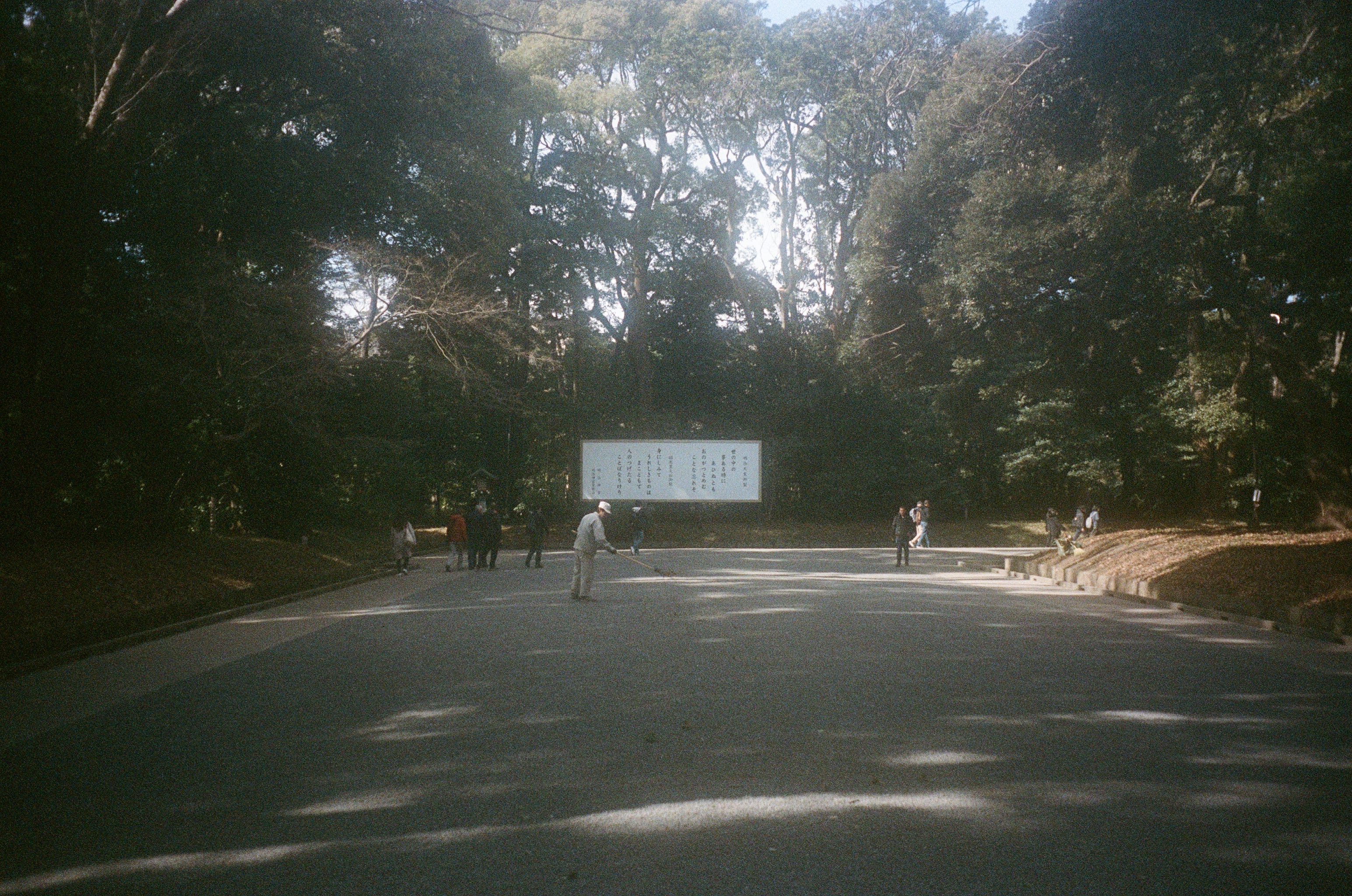
Last month I went to the Isle of Man to visit my Grandad. It’s a quiet little island where the locals know almost everyone and with me not being one of them, a woman asked if I was lost as I walked with my head down looking at my phone whilst in my own world. I remember being a little surprised by her asking such a simple question. I can’t recall the last time a stranger was genuinely interested in spontaneously engaging with me and wanting to send me in the right direction. I had similar moments whilst I visited Tokyo in February. I was completely enamoured with this city. It was crowded but simultaneously so calm and this juxtaposition captivated me after living in large busy cities like NYC and London. I would walk into a restaurant, a store or even just down the street and strangers would acknowledge me with a smile or nod that felt so genuine and non performative. The Japanese move through life with such intention and, similarly with my very fleeting interaction on the island, I noticed an internal shift being on the receiving end of this sort of interaction. I felt seen in these moments in a very real and meaningfully subtle way. It made me feel warm.
I struggle to grasp some of the concepts laid out in front of me at Uni, I just started my MSc in existential psychotherapy and its been a huge step up from my undergrad. Beyond the frustration though, I have grown to love how it has changed the way I see, notice or understand my usual day to day happenings. Heidegger, the German philosopher, wrote about the concept of Being-with-others in his book Being and Time, recognising that we do not exist in isolation. Heidegger claimed that the question of Being is the most fundamental question of philosophy, but it is also the one that has been most neglected. We are in constant interaction with others and the things around us, which in turn holds a mirror up to ourselves, helping us to understand who we are.
After deep diving into Heidegger’s philosophy, I often reflect on the relationship between the quality of our interactions, what the reflection from the mirror informs us of and as a result how we feel within ourselves and the affect we can have on others. Living in London, it’s common to rush from A to B, when I think back to living in NY I was even more inclined to live in this fast paced way mistaking being booked and busy at all times as having inherent value. I still love the rush I get from being busy or productive but Heidegger has taught me how I move through these periods can have a lasting affect on how I perceive myself. Our way of being in the world and how we interact with what and who is around us can impact not only how we are shaped but also how we can make others feel. Rushing or being performative flattens those (fleeting or non fleeting) moments of connection that enrich us and have the ability to remind us of our existence. As a contradiction, I naturally gravitate towards the energy of a large city, but as a result sometimes feel like I can get lost in the pace. Tokyo left such an impression on me for this reason, small moments of connection were still carved out by locals. A genuine smile, nod or fleeting interaction are not only small acts but existential gestures and remind us of out interconnectedness. When interactions are consistently shallow, performative or meaningless then the mirror reflects something back rather flat and fragmented. What opportunities are we missing out on when it comes to encountering ourselves and others if we are dismissive, distracted or prioritise productivity over and above meaningful interaction. Sometimes just offering a smile can make somebody else feel seen and in return affect how we feel in ourselves. It touches upon something in us that is essential to being human.
Love this
Thank you for sharing this